

Building better data connectivity: INREV’s project to ease member reporting
Across the non-listed real estate industry, reporting requirements have expanded significantly in recent years. Aside from the data requested by INREV for indices and surveys, managers now handle a growing landscape of regulatory, investor and sustainability reporting. The breadth and complexity of these requirements have increased, and for many organisations, a large portion of analysts’ time is now spent purely on compiling and submitting data.
The INREV Data Connectivity Project aims to provide members with greater clarity on the information collected and alignment of all data fields. In addition, the project focuses on simplifying data reporting and enhancing the interoperability of products and systems. Together, these initiatives are expected to significantly streamline the reporting process for members submitting data to INREV and investors.
Workstream I: Data Dictionary and revised reporting process
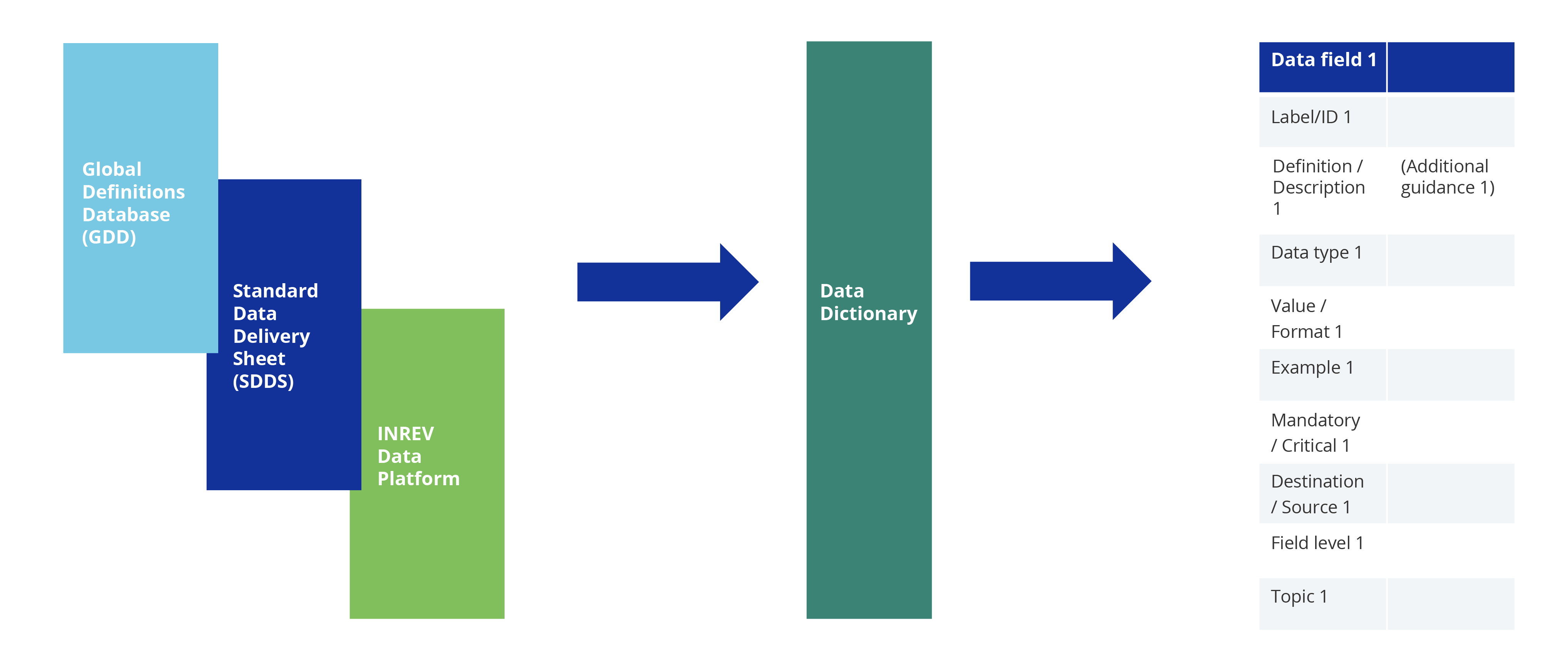
To ensure alignment of data fields and definitions, INREV will develop a new Data Dictionary. Initially, this dictionary will include all critical data fields currently used in the INREV Standard Data Delivery Sheet (SDDS), the Global Definitions Database (GDD), and those collected through the INREV Data Platform for index publication purposes.
Each data field included in the dictionary will have a unique naming convention, definition, label, and related metadata. Where different definitions exist for valid reasons, additional guidance will be provided to clarify their appropriate usage. For example, a tighter definition might exist for a specific index calculation than the more generally defined GDD version.
The Data Dictionary will serve as the single source of truth for INREV data. All related products and templates will be linked to the dictionary to ensure consistency across systems and reporting processes. INREV aims to publish the new Data Dictionary on its website by the end of 2026.
INREV is also currently evaluating its data collection processes on the INREV Data Platform. The objective is to reduce the number of data fields collected by assessing their relevance and eliminating any duplications where possible.
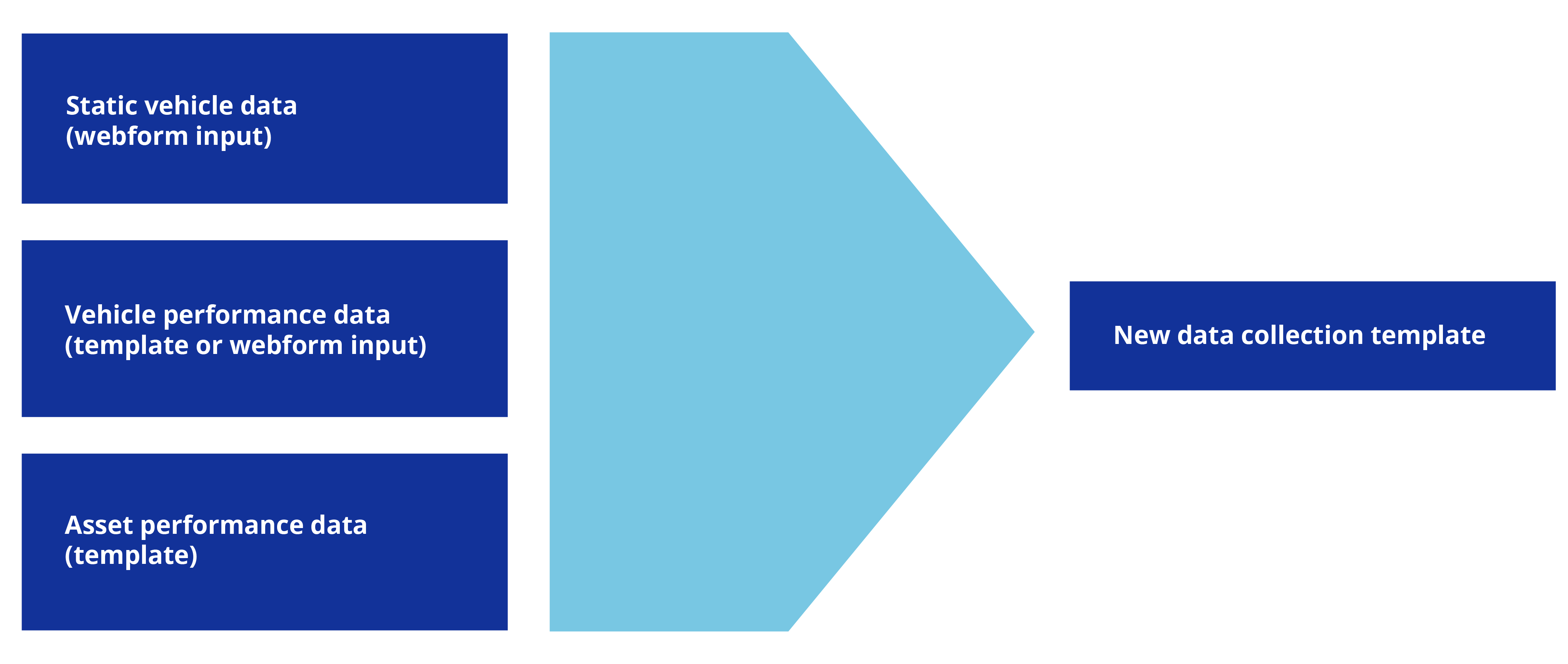
To support a more streamlined reporting process, INREV is developing a new data collection template that can be used for a variety of reporting purposes. These include creating a vehicle for inclusion in the universe and providing financial data at both fund and asset level for index publication. The idea is that the new data collection template will be all-encompassing yet ‘fluid’, saving time, with a capacity to streamline several data reporting processes at once.
To ensure a smooth transition for members, INREV will introduce a grace period following the release of the new template to accommodate the transition. As member engagement is currently ongoing, the timeline and release plan for the new data collection template are still being determined, but will likely be in late 2026 to early 2027.
Workstream II: Data Connectivity
While Workstream I focuses on establishing the necessary foundations, Workstream II concentrates on enabling connectivity between the SDDS and the new data collection template.
As both products will be linked to the Data Dictionary, which serves as the single source of truth for INREV data, it will become significantly easier to connect and reuse data across systems and products.
The objective is to enable members to use their SDDS to report part of the data required for index publication. Conversely, members may also be able to download a partially pre-populated SDDS based on data already submitted via the data platform. The overlap between the SDDS and the data fields collected on the platform is around 40%, which should lead to a meaningful reduction in the reporting burden for members.
Given the complexity of this initiative and the potential technical infrastructure requirements, the detailed timeline and release plan are still to be determined, with a goal to deliver approximately within a two-year period.
INREV will continue to engage with members throughout the development of the Data Connectivity Project and will provide further updates as key milestones are reached.
Share your feedback
As this is a member-driven initiative, your feedback will be essential in fine-tuning both the framework and its practical implementation.
Members are invited to ask questions, share thoughts or schedule a call to discuss the project in more detail. Please contact Connor.vanLeeuwen@inrev.org if you would like to provide feedback or arrange a discussion.