

INREV Annual Conference 2026: A Summary
The INREV Annual Conference took place in Barcelona over 7, 8 and 9 April. We welcomed an enthusiastic crowd of senior industry players to hear the latest trends, insights and thoughtful discussion around a central theme: 'Competing for the future: power, capital and trust'.
ANNUAL CONFERENCE 2026 HIGHLIGHTS

A record 500 delegates attended this year’s Annual Conference, welcoming its return to Barcelona. The event proved to be another tour de force featuring a broad range of insightful presentations, interviews and panel discussions on a host of era-defining topics from geopolitical instability to the challenges and opportunities from AI. The conference was expertly moderated once again by Greg Clark, whose guidance kept the proceedings focused and running seamlessly to schedule.
Casper Hesp, INREV’s CEO, set the scene by inviting delegates to consider three key themes: the continuing strength of real estate fundamentals despite structural issues; the call for the industry to back the compelling investment case for Europe; the need to reframe real estate with a narrative that better reflects the specifics of the current era.
Each of the Conference speakers delivered thought-provoking perspectives that inspired conversations among delegates across the two days. The war in Iran raised obvious questions about the long-term macro-economic environment and how real estate might address the inevitable challenges this will present. There was a focus on the role of AI – not only in the world of real estate investment but also in relation to its broader impact on society, the world of work, and the evolution of the human mind.
Delegates heard about speakers’ recent experiences of capital raising and capital deployment, as well as their assessment of the likely future trajectory of the industry. They also learned about the perils of an increasingly divided information ecosystem that makes sifting truth from fiction harder by the day; and they took inspiration from a renowned artist’s invitation to return to the simple principles of human existence by re-examining how we see and treat one another.
Once again, the Annual Conference provided delegates with a great opportunity to take a step back, absorb new thinking, engage in interesting debate, and network with colleagues and friends. Delegate feedback so far has been overwhelmingly positive, with many describing this as one of the best conferences to date – effectively elevating it from a five-star to a six-star experience.
From headwinds to opportunity: rethinking Europe’s competitiveness (Alexis Crow)
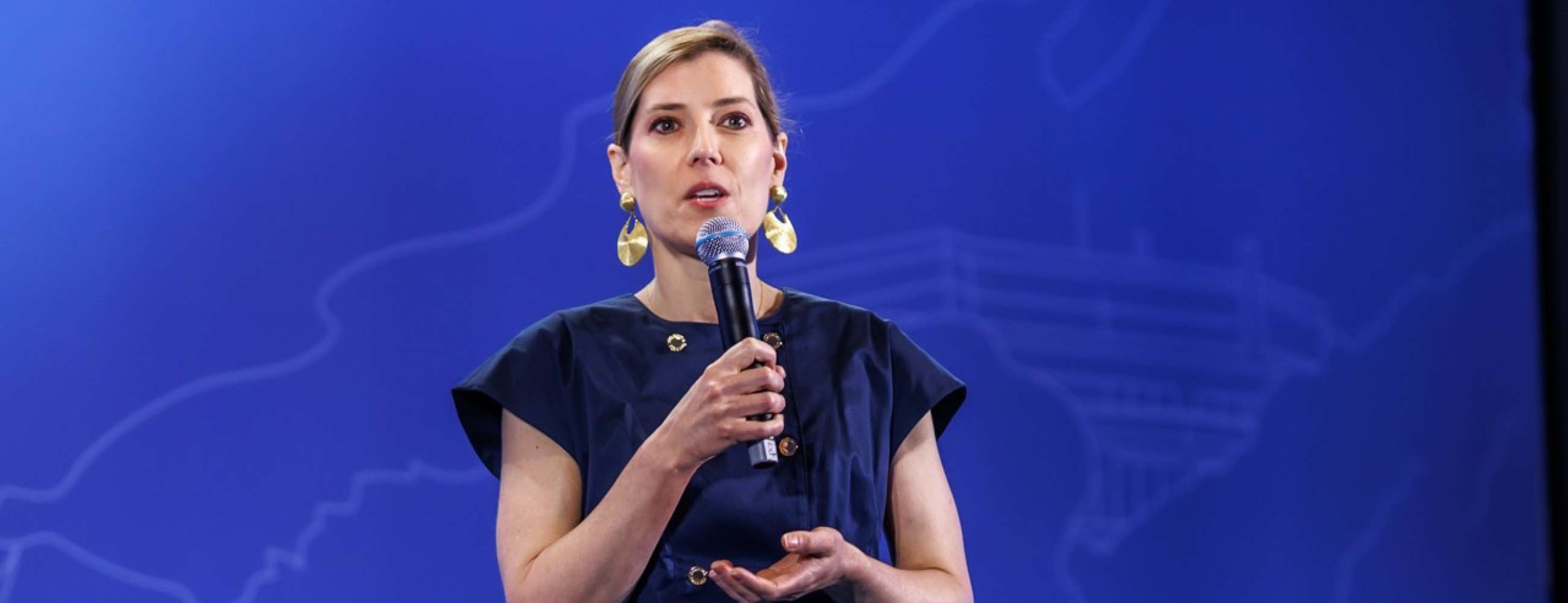
Alexis Crow, Partner and Chief Economist, PWC, opened her keynote address by contextualising the Iran conflict through the lens of US political psychology. Drawing attention to the fact that the average age of a US senator is 64, she suggested that many in Washington remain shaped by the Iranian hostage crisis – an approach which European policymakers find difficult to comprehend.
On the US economy, she argued that stripping out AI-related investment leaves growth looking considerably thinner, and that the recent weakness in the dollar reflects a broader, structural rotation of capital away from the US and toward Europe. So far as European markets are concerned, she highlighted France and southern Europe as particular beneficiaries. Having reined in its deficit, reestablished fiscal discipline, and with its nuclear energy advantage, Europe’s second largest economy is now attracting significant investment.
Similarly, she said, Spain and Portugal have their houses in order, which ‘will allow for more fiscal largesse should it be needed.’ However, she reminded the audience that high aviation fuel costs as a result of the war in Iran pose a risk to tourism in the medium term.
Alexis referenced Germany and the multiplier benefit it is receiving from defence and infrastructure spending that is lifting industrial production. Highlighting that the UK is showing economic resilience driven by construction activity and healthcare employment, she said that ‘the single largest GDP driver in the British economy is actually building’.
On the longer-term macro-economic outlook, she argued that the world remains fundamentally hydrocarbon-dependent, making economies persistently vulnerable to energy shocks. Against that backdrop, she identified six themes most likely to impact real estate investment: rising public spending and taxation; the erosion of the rule of law in some advanced economies prompting capital repricing; the localisation of capital, accelerated by potential EU Solvency II reform; mandatory climate resilience at the asset level; performance-linked data; and the mobilisation of Europe's €10 trillion in private savings into real assets. ‘I would put my money on European regulators creating safe mechanisms for households to be able to come into certain real assets including real estate,’ she said.
Audience poll:
Compared to 10 years ago, how important is energy sovereignty now to Europe’s long-term competitiveness?
- Much more important - 78 %
- More important - 17 %
- About the same - 4 %
- Less important - 0 %
- Much less important - 0 %
Which country will outperform in the Eurozone in 2026?
Spain - 73 %
Portugal - 9 %
Germany - 9 %
Italy - 6 %
France - 3 %
Allocating in an uncertain world: defining real estate’s role (CIO panel)
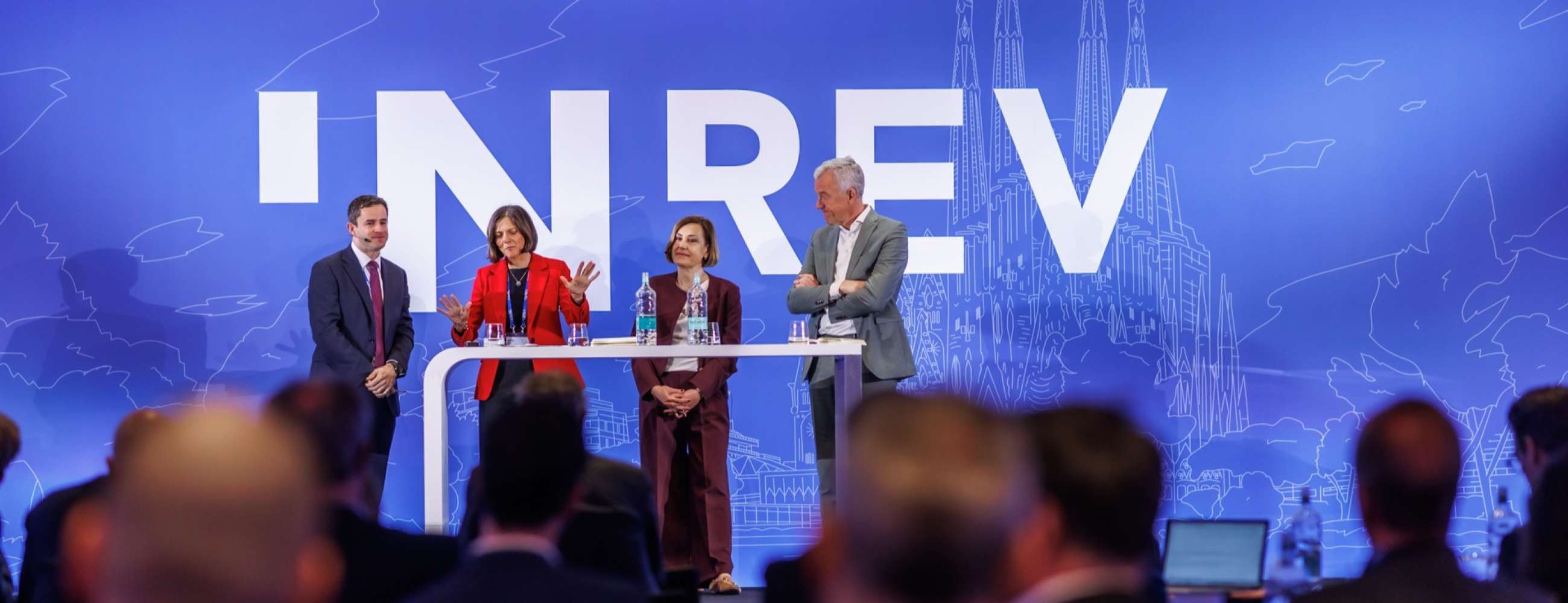
Andrew McDougall, Global Head of Multi-Asset at Mercer, hosted a fascinating debate about the evolving role of real estate within institutional portfolios against a backdrop of increasing competition from infrastructure and private credit.
The panel, made up of leading industry figures, Lars Dijkstra, CIO, PGGM; Jenny Buck, CIO, London CIV; and Kamila Horackova, CIO, NN Group, reached general consensus on the fact that real estate remains a strong diversifier and income generator, but that the illiquidity premium must continue to deliver appropriate compensation, particularly as obsolescence risk grows across certain sectors.
They agreed that the long-term fundamentals for the asset class remain intact, citing residential, affordable housing, logistics and healthcare as the most compelling themes, with ’every single line in the portfolio these days’ needing to be a conscious decision.
The panel was aligned on the idea that infrastructure and private credit have become meaningful rivals to real estate, with private credit in particular having matured into a genuine competitor. However, the collective view was that, with a clearly articulated proposition, real estate can still hold its own.
There was a more nuanced perspective from the panel on the extent to which there is convergence between real estate and infrastructure. The key outtake seemed to be that while the two asset classes are increasingly managed in closer collaboration and share an operational dimension at the asset level, they remain distinct. Infrastructure was seen as more growth-oriented and focused on long-term energy security, while real estate is better positioned around sustainability, social impact and income stability.
The panel picked up on two further core topics: sustainability and the outlook for the future of the real estate industry. With regard to the former, there was a clear view that this is no longer a peripheral consideration with one member saying that sustainability now accounts for roughly half of all their investment decision-making criteria. So far as the latter was concerned, the summary takeaways were constructive but selective: less global and more European, a need for increasing focus on asset-level specifics, clear thematic positioning, and the rule of law remaining as a non-negotiable precondition for capital deployment.
On a final future-gazing point, the panel identified the need for next generation investment managers to offer a blend of traditional financial skills with data literacy, sustainability expertise, and an understanding of localisation.
Audience poll:
What do you see as the biggest barrier to more capital being attracted to real estate?
Macroeconomic and geopolitical uncertainty - 41 %
Weak performance of the asset class - 40 %
Over-allocations to other asset classes (infrastructure, private debt, etc) - 15 %
Other - 3 %
What is the most powerful role that real estate can play in a multi-asset class portfolio?
Return enhancement - 6 %
Diversification for a multi-asset portfolio - 48 %
Income return - 25 %
Inflation hedge - 21 %
From geopolitics to ground level: translating Europe’s shifts into real estate value (José Pellicer)
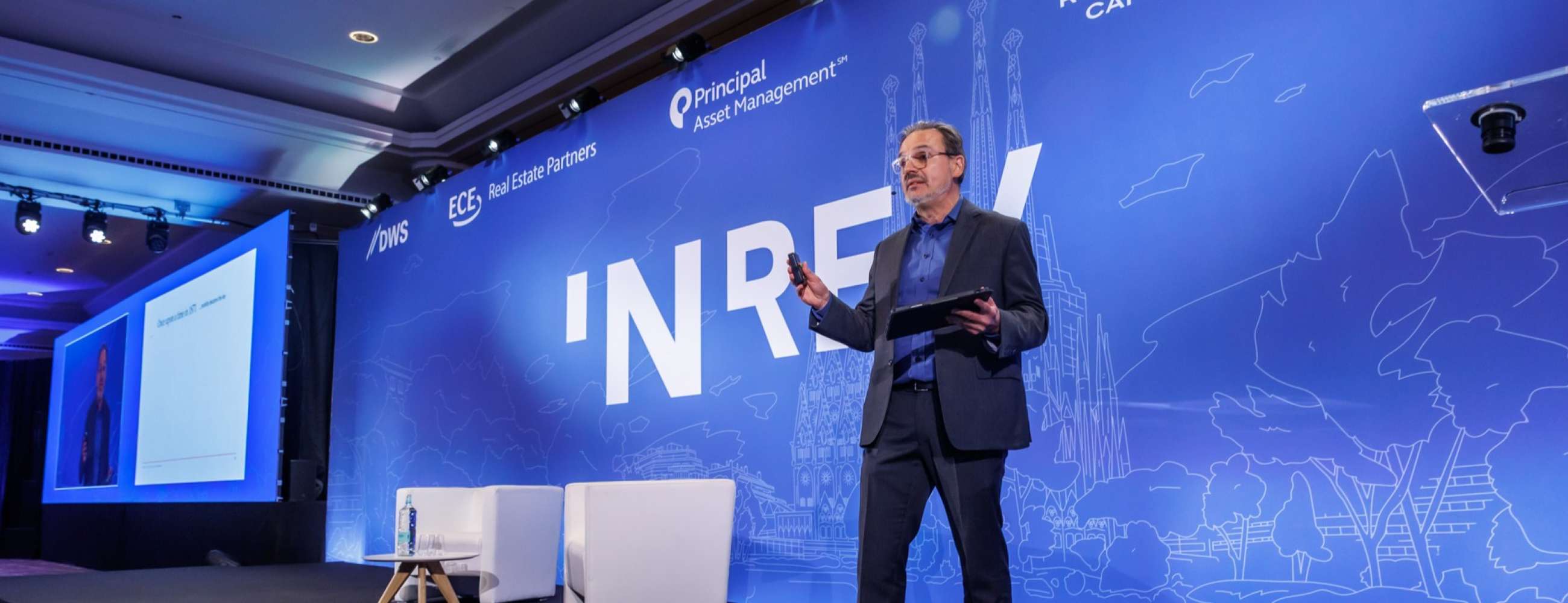
In a lively and energetic presentation, José Pellicer, Partner, Evonite, took delegates on an exhilarating ride rooted in the history of military leaders’ mistakes prompted by a failure to update and adapt their strategic thinking in line with shifting circumstances. He said: ‘a common feature in history is to prepare for the last war instead of preparing for the next.’
He explained how from Prussia in 1871 to France in 1940, the pattern had been consistent, and he argued that the real estate investment industry is in danger of making similar mistakes today.
According to José, the world that most institutional investors have grown up in – characterised by globalisation, dollar dominance, stable multilateral institutions and moderate centrist politics – is over. He dated the break to 2022, though acknowledged it may have begun earlier. What has replaced it is a period of instability, similar to the inter-war years: a shift from neoliberal economics toward state capitalism, from political moderation to extremism, and from curated information toward a fragmented media landscape, accelerated by AI-generated deepfakes.
All of this, he said, matters for real estate investors because the analytical shortcuts that worked in a stable world – identifying a single mega-trend and building conviction around it – are no longer reliable. First-level thinking such as ‘housing shortage equals residential investment’ is insufficient when the entire political, monetary, social and technological context is shifting simultaneously. Pricing, he argued, is now almost everything: several European markets are trading at or below the risk-free rate, meaning very little can go wrong before returns disappoint.
José offered a clear prescription for addressing the issue: to shift away from deep conviction and toward humility, rigorous stress-testing and genuine margin-of-safety thinking. As he said, it is time to ‘say bye-bye for the moment to the conviction strategy and yes to humility, risk analysis, and adaptability’. Investors should focus less on what they expect to go right and more on whether they are being adequately compensated for what might go wrong. Even inaction, he concluded, is an active decision. However, doing nothing is rarely the right answer in periods of instability.
Audience poll:
Relative to 15 years ago, are we in a completely different world (from many points of view)?
Strongly disagree - 6 %
Disagree - 5 %
Agree - 38 %
Strongly agree - 50 %
It is in periods like today’s where deep conviction strategies become most important.
Strongly disagree - 5 %
Disagree - 21 %
Agree - 42 %
Strongly agree - 31 %
Leading a generational shift in our cities (Interview)

Andrea Carpenter, Founder of Diversity Talks Real Estate, engaged Mikkel Bülow Lehnsby, Partner, Co-founder and Executive Chairman of Urban Partners, in a broad-ranging fireside interview that gave delegates an intriguing insight into the approach adopted by one of the industry’s leading lights in urban regeneration.
Mikkel revealed the motivation and guiding principles that have helped to establish his success as a repeat – and highly successful – entrepreneur. From his earliest endeavours selling pizza to establishing and growing Urban Partners into the iconic real estate brand it has become, Mikkel explained that a single simple instinct has been key: finding meaningful problems and assembling the right people to solve them.
He told delegates how his path into real estate was partly accidental, though firmly rooted in a consistent belief that ‘the world is full of costs that need to be addressed, and what's missing is helping people make things better.’ So, the founding logic for Urban Partners was to identify structural supply and demand imbalances before the market did and to position itself as a service provider to the industry rather than a conventional investor.
This was, he said, borne from a discipline he had learned from launching a fintech company 28 days before the dot-com bubble burst. And that critical lesson was that ’cash is king’. Mikkel explained how he subscribed to the principle that, at its core, entrepreneurship is simply about not running out of money.
Touching on the all-important subject of sustainability, which is very close to his heart, Mikkel explained what he referred to as his systems thinking approach. This, he said, meant that at Urban Partners, rather than viewing assets in isolation, the firm takes a city-level view because truly sustainable buildings require an understanding of the surrounding energy, social and infrastructure systems. He added that, despite the obvious significance of sustainability, the real estate industry has yet to prove its value: ‘we've not been able to prove that embedded carbon reduction in construction creates financial value’. But he pointed out that that doesn’t dampen his commitment. He argued eloquently that systemic change requires working with regulators, citing the fact that it’s easier to engage constructively with mayors than it is with central government.
Mikkel summarised his outlook on the real estate industry. He identified the three forces shaping opportunity as: a war economy redirecting capital toward societal needs; AI and robotics transforming construction productivity; and persistent demographic demand for housing. He identified his three drivers of alpha as product creation, buying well, and entry timing, though he was quick to admit that ‘we just don't believe we can time the market’.
On a characteristically optimistic note, Mikkel concluded by offering an upbeat view of the opportunity for Europe, saying: ‘Trump is giving us an ability to rise to the occasion.’
Truth under pressure: the democratic cost of misinformation (Eliot Higgins)

In an increasingly fragmented information world, Eliot Higgins, Founder and CEO of Bellingcat, gave delegates a highly well-informed and sobering account of how the crisis facing democracies is more fundamental than Russian disinformation campaigns. He suggested the real problem is structural, invoking the collapse of the shared information systems that once made democratic participation possible.
Eliot started by explaining that the three pillars of a functioning democracy are verification, deliberation and accountability, each of which can exist in genuine, performative or simulated forms. He said that the drift toward simulation, where verification enforces a predetermined truth and accountability is used to punish ‘out-groups’ rather than hold power to account, is the warning sign to watch.
He identified the launch of the iPhone and the subsequent explosion of social media from 2007 onwards as the historical turning point. Quoting Walter Lippmann's insight, Eliot told delegates that the public has always navigated a ‘pseudo-environment’ shaped by institutional filters and that this position remains valid. But, he said, the filters have changed entirely. We have moved from a top-down, institution-mediated information pyramid to an algorithmically mediated space where: ‘rather than just being recipients of information, we distribute information as well, except we don't have the responsibility that institutions must have for verification.’
Eliot explained that, as a result, we now face competition not just between political parties but between rival epistemic systems that he identified as institutional and conspiratorial. The conspiratorial, he said, is operating faster and more effectively in a crisis. As he put it: ‘They can immediately offer an answer – they can say only I can fix it.’
In an effort to show a positive way forward, Eliot shared with delegates his eight-track proposal for addressing the damaging impacts of misinformation, which ranged from greater media literacy in schools to the establishment of an investigative infrastructure. However, he also identified some of the main headwinds we still face, including journalism under severe financial pressure, with US funding cuts having removed roughly 25% of global investigative capacity, and the fact that there’s a financial incentive to publish misinformation. As he highlighted: ‘It's really easy to post garbage on the internet and make money from it. If you want to produce something that's high quality and verified, it's slow, and it's not very competitive.’
Media outlets that demonstrate transparent verification, he concluded, remain the most trustworthy and the most worth protecting.
Audience poll:
How has digitisation impacted democracy?
Made it stronger - 18 %
Made it weaker - 61 %
Not made it either weaker or stronger - 21 %
Do you have friends, family or colleagues who you think believe at least one conspiracy theory?
Yes, I have at least one in my personal and/or professional circle - 65 %
Occasionally, I encounter such views from time to time - 16 %
Rarely, it is not something I come across often - 11 %
No, I am not aware of anyone close to me who holds these views - 8 %
America first – and then? Geopolitics in the wake of US decisions (Ivo H. Daalder)
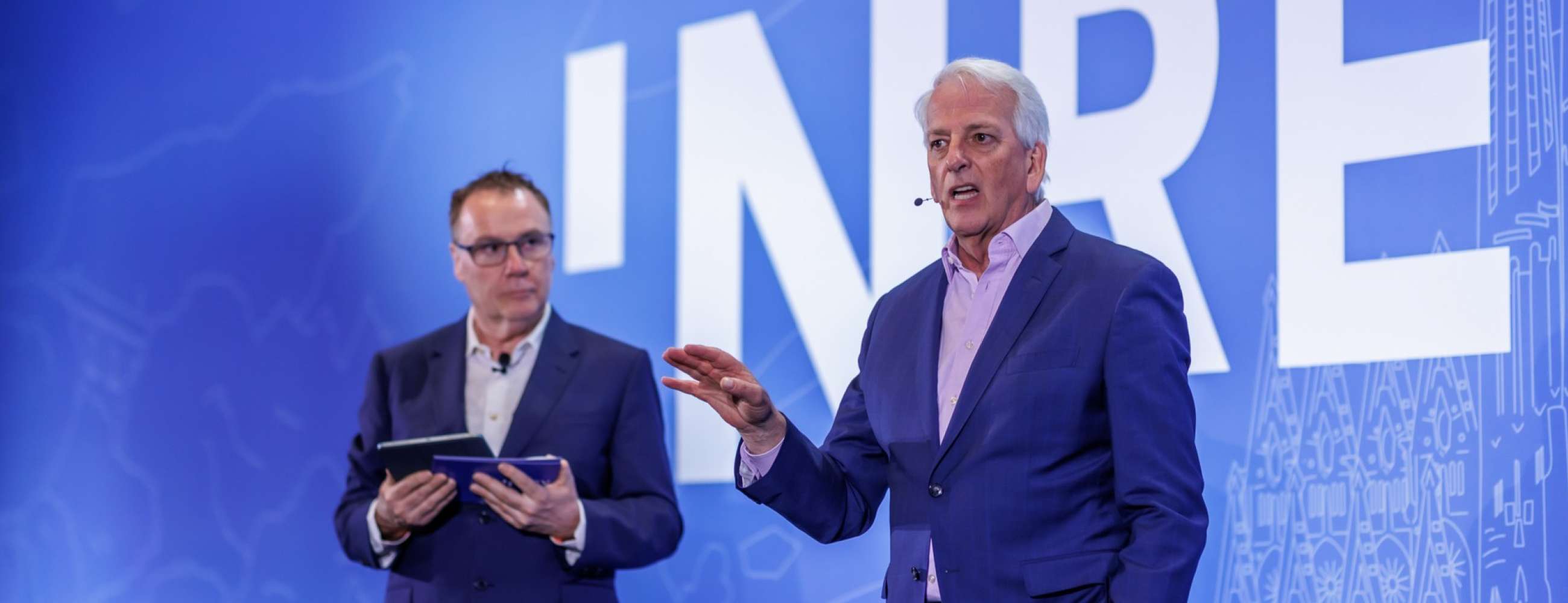
Ivo H. Daalder, US Ambassador to NATO (2009-2013) and CEO of the Chicago Council on Global Affairs (2013-2025), delivered a very powerful keynote address to end the first day of the Conference.
He gave delegates a razor-sharp analysis of several interconnected geopolitical themes centred on the Trump administration's conduct of US foreign policy, and particularly the situation in the context of the Iran war.
He argued that President Trump had convinced himself that a short bombing campaign would topple the regime and permanently resolve the nuclear question. That calculation proved wrong within weeks, and the past month has been spent searching for an exit. But it was, he said, standard fare: ‘The normal way in which this president tends to do business is he raises the stakes in order for them to fold.’
Ivo explained to delegates that the Pakistani-brokered ceasefire leaves Iran in control of the Strait of Hormuz, the nuclear and ballistic missile programme substantially intact, and a vast gap between the US and Iranian negotiating positions unresolved. His verdict was that the most likely outcome is a reversion to the status quo, with Iran extracting economic concessions in exchange for a fragile arrangement that solves nothing structurally.
Picking up on the specifics of President Trump’s approach to government, and specifically, diplomacy, Ivo was direct and clinical, identifying the fact that in this, his second term, Trump has surrounded himself with loyalists who never challenge him. The result is that he governs entirely on instinct. Such instinct has been consistently validated by a series of military operations that appeared to work. The current situation, however, clearly flies in the face of this logic. Prompted to offer his view on whether President Trump is evil or a fool, Ivo suggested he was not evil but rather simply not suited to making momentous decisions.
With reference to NATO, Ivo suggested to delegates that the current situation is the most serious crisis in the alliance's 77-year history. Illustrating this point, he highlighted the breakdown of operational trust between the US and its European allies that has characterised the ongoing conflict in Iran. Ivo was quick to outline his view that the NATO alliance itself is not broken, but the assumption that the US will be there when it matters most no longer holds.
Concluding, Ivo offered a typically insightful perspective on what the future of the US might be defined by. His simple and very clear assessment was that the country will have found its way back when young Europeans again want to move there. As he put it with characteristic eloquence: ‘We will know America is back when the next generation of 18- to 24-year-olds decide they want to go there – because no matter what the colour of your skin or your gender, you can get ahead.’
Audience poll:
How close are we to World War 3?
A long way off - 16 %
Not there yet - 42 %
Almost there - 26 %
Already starting - 16 %
What is the future of NATO?
It will strengthen - 15 %
It is stable - 5 %
It is weakening - 46 %
Its collapse is now certain - 5 %
Its future is without the USA - 29 %
Over the next decade, who is going to provide leadership for the world?
US - 25 %
China - 20 %
India - 1 %
Russia - 0 %
The BRICS - 1 %
Over the next decade, who is going to provide leadership for the world?
The Middle powers - 13 %
No-one - 40 %
Reinventing for the AI age: adapt, transform or fall behind (Peter Hinssen)
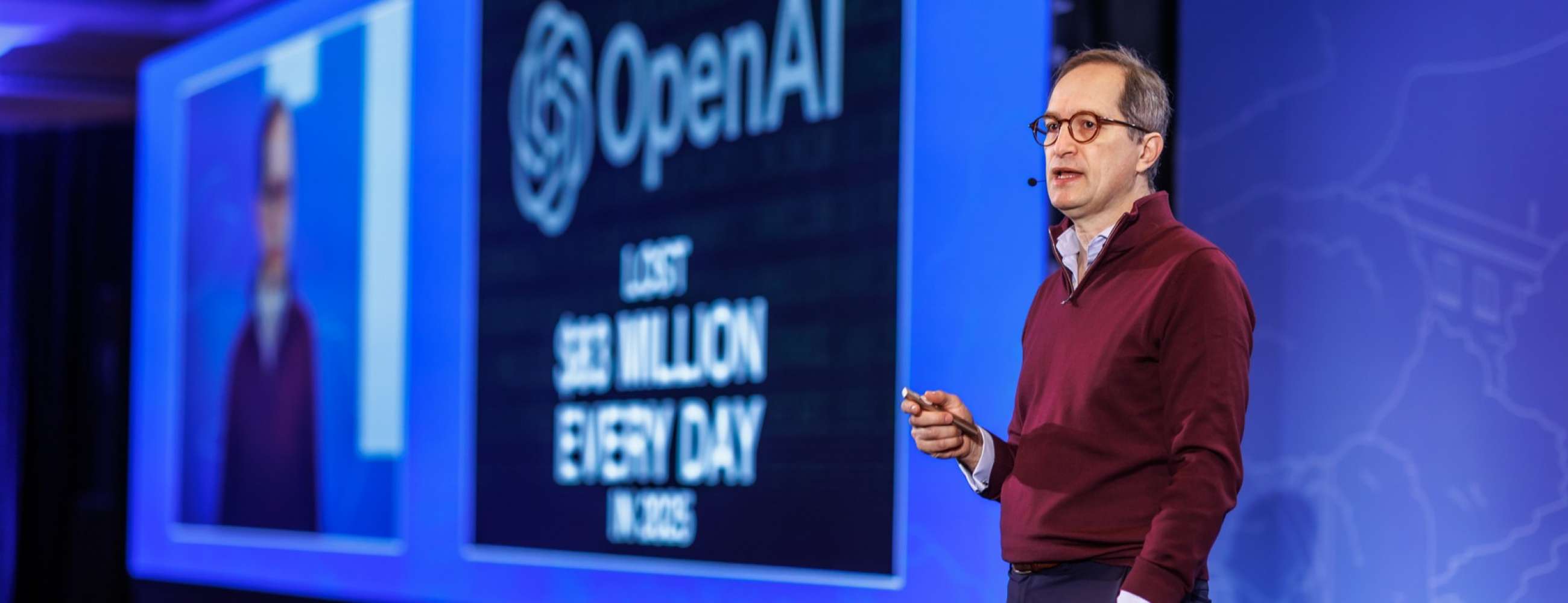
Global technology expert, entrepreneur, and keynote speaker, Peter Hinssen, enthralled delegates with his superb exposition of the deep reaches of AI and its impact on all aspects of work, economics and life itself.
Hitting his audience between the eyes with a startling opening fact, Peter told delegates that just three years after its launch, weekly usage of ChatGPT is already at 800 million, or one in ten people on the planet. AI, he argued, is no longer a niche technology story. It’s a mainstream societal shift of historic proportions.
And quoting the OpenAI valuation story, he pointed out the potential financial damage such rapid exponential growth could have: ‘This is a company that loses $83 million every single day, and they want to IPO at a trillion-dollar valuation. If you remember one number, we're not asking if this is crazy – this is a bubble of epic proportions.’
Moving on, Peter explained that AI is not primarily about technology or economics, but that it is more about fundamentally rethinking work. Drawing on the concept of ‘talent singularity’, he warned that the gains will be heavily concentrated, citing the provocative claim that without top-tier skills, there may be no middle class in the AI age.
He identified the two capabilities that define the current inflexion point as reasoning and agentic AI. Peter cited the autonomous task horizon for AI software development as a key benchmark of the speed and depth of its evolution, saying that this has extended from 30-minute tasks to 14-hour tasks within months. This, he said, indicates that the economics of knowledge work has been fundamentally disrupted. In his view, ‘the cost of doing things that used to take years has now gone to near zero, but the cost of waiting has become catastrophic’.
Peter added that AI will bring more change in the next five years than there has been in the last 25 years. In the world of employment, that means we are entering a ‘fundamentally different way of valuing labour’.
In his view, organisations should focus on the holy trinity of anticipation, adaptability and resilience in order to navigate uncertainty. But critically, Peter said that becoming AI-first doesn’t necessarily mean becoming people-less. However, what it does mean is eliminating what he called ‘yesterwork’ – the legacy processes organisations continue to adhere to, not because they add value, but because replacing them is harder than doing something new. Instead, he argued, ‘if you want something new, you have to stop doing something old’.
He left delegates with a stark warning for the real estate industry: ‘The problem with real estate is it always moves too slowly. You need to pick up the signals faster and be in tune with what I call the day after tomorrow, because if you're not, the inertia of this market is going to be very difficult.’
Audience poll:
What will be the impact of AI on headcounts in Investment Institutions and RE Funds?
Significant reduction in headcount across most roles - 8 %
Moderate reduction with some new roles created - 78 %
No major change in overall headcount - 14 %
Increase in headcount due to new AI-related roles - 1 %
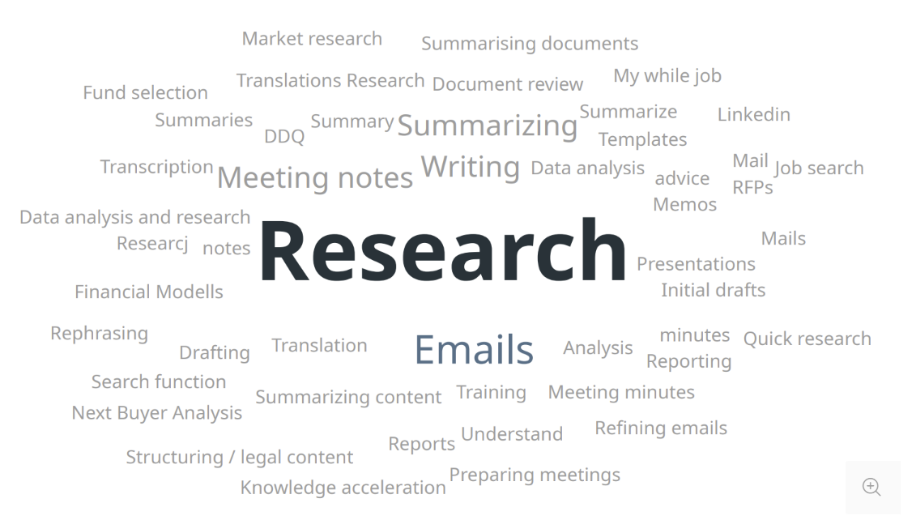
What are you using AI for most at work?
Where Europe stands: competitiveness, reform and the case for real estate (Panel discussion)
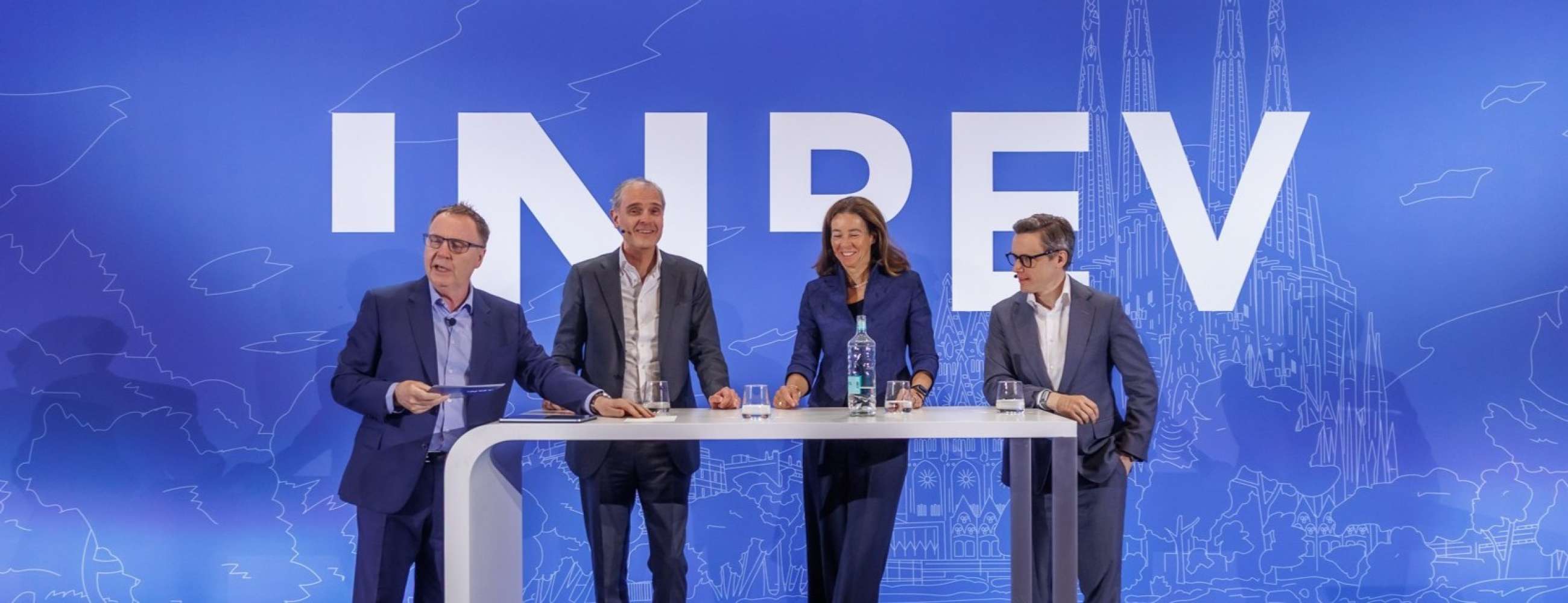
The second investor panel discussion offered delegates a candid assessment of the current real estate market conditions and the outlook for the coming cycle.
Panellists, Alexander Knapp, Global Head of Real Estate, Norges Investment Management; Sophie van Oosterom, Global Head of Real Estate, CPPIB Investments; and Robert-Jan Foortse, Head of European Property, APG Asset Management, engaged eagerly with the Conference moderator, Greg Clarke.
Referencing the current sentiment, panellists agreed that the market is experiencing a delayed cycle rather than a broken one. Geopolitics is generating noise, they said, but macroeconomic fundamentals – particularly the direction of interest rates and the cost of capital – are the more meaningful drivers. With no external force compelling distressed sales, many investors and managers are choosing to wait, extending the delay further. But the need for GP portfolios to exit before new funds can be raised will eventually unlock the stalemate.
The panel told delegates that they believed real estate had underperformed its promise as a diversifier during the recent cycle. As a result, institutional investors seemed to have reduced allocations, requested clearer return profiles and sought leadership changes to ensure new strategies could be implemented. Summing up this view, Sophie pointed out that: ‘For 15 years real estate had a very special place...interest rates came down and everybody looked very smart. As the market went through its cycle, it turned out it actually wasn't that special. It wasn't a great diversifier, and it wasn't a good inflation hedge.’
Turning to the coming cycle, the panel suggested the new era would likely be defined by thematic and operational conviction. They cited AI, demographic shifts and societal change as the frameworks that will determine what good looks like, rather than products and sectors alone. And there was a clear view that operational capability and alignment would be decisive. As Alexander said, ‘it's going to be a different set of logic’.
There was also consensus on the need for greater flexibility, characterised by recycling of mature assets, income and capital growth, and the prioritisation of partner alignment over structure. And listed real estate was identified as being a complementary rather than a competitive play.
The panel closed on an optimistic note, suggesting that the fact that real estate has repriced ahead of other asset classes made it an increasingly compelling option.
Audience poll:
Where is the new European real estate investing cycle right now?
About to start - 17 %
Up and running - 13 %
Maturing - 3 %
Delayed again - 53 %
What cycle? - 13 %
What is the single biggest barrier to deploying capital into European real estate today?
Pricing / valuations still not right - 25 %
Geopolitical and macro uncertainty - 35 %
Interest rate uncertainty - 16 %
Lack of suitable product or supply - 5 %
Internal mandate or allocation constraints - 18 %
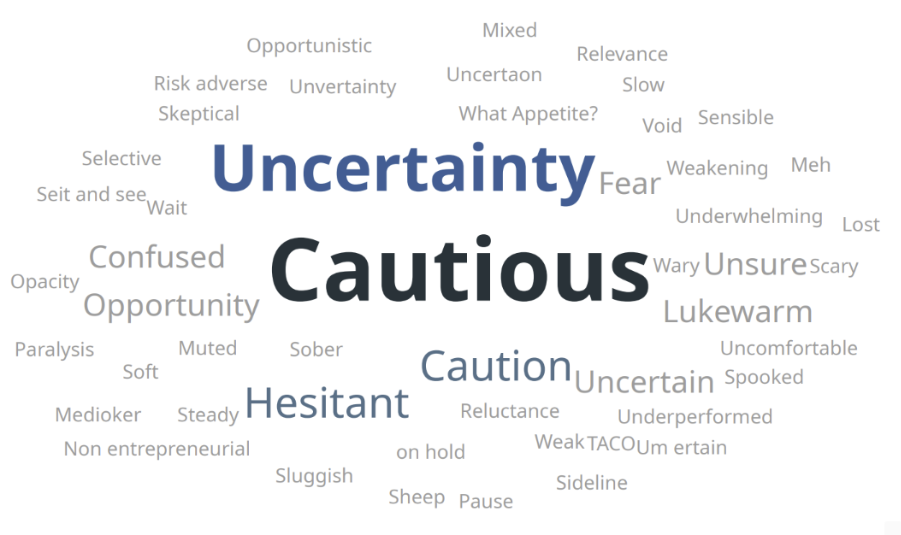
What one word best describes investor sentiment towards unlisted RE in Europe?
How AI reshapes the human mind (Baroness Susan Greenfield)

Baroness Susan Greenfield, CEO and Founder of Neuro-Bio, treated delegates to a fascinating insight into the structure of the human brain, and argued convincingly for the need to better manage our relationship with AI.
She explained clearly how humans adapt to more environments by developing rich connections between them. And it’s these connections – shaped by unique personal experiences – that make each individual a genuinely distinct mind. They also allow us to move beyond purely sensory responses to the world, enabling meaning, context and cognitive depth.
Against this backdrop, she raised serious concerns about AI, highlighting that our reliance on technology is causing measurable skill loss, blurring the boundary between reality and the artificial environment, and producing psychological harm. She said: ‘We know we are losing skills. Doctors' diagnostic ability has declined by 20% since they've been using AI. We are also losing these carefully curated connections.’
She argued that screens are pushing human consciousness back toward the sensory with shorter attention spans, impulsive behaviour, and poor interpersonal skills. In this respect, she drew the parallel with a three-year-old child, with the clear inference that over-exposure to screens is infantilising.
From there, she went on to explain how the claim that computers could be conscious, fundamentally misunderstands what consciousness requires. It is, she said ‘dependent on the whole body – your immune system, your enterprise system – which is why people who think computers can be conscious are really not thinking about what's needed to deliver that’. She asserted that AI can never replicate consciousness and that agency, empathy, morality, spirituality and creativity are the essence of being human.
She offered three key pieces of advice for leaders to help them navigate the more negative impacts that high dependency on AI could have on workforces. She talked about understanding how dopamine and an underactive prefrontal cortex drive reckless behaviour. She highlighted the need for a focus on vision and treating people as individuals, and on creativity, recognising that genuinely new ideas emerge from unusual associations.
Her closing message emphasised the importance of moving away from multitasking and reactive screen time toward sequential, embodied activities (such as walking, cooking, gardening and reading) that restore the cognitive architecture the human mind needs to function at its best.
Audience poll:
Is AI making you more productive?
Yes - 59 %
No - 2 %
Sometimes - 36 %
Not sure - 3 %
Do you see AI as a threat or an opportunity for children and young people?
A threat - 11 %
An opportunity - 17 %
A mix of both - 71 %
Unsure - 1 %
Data centers across the lifecycle: investment strategy, operations and exits (Keynote interview)
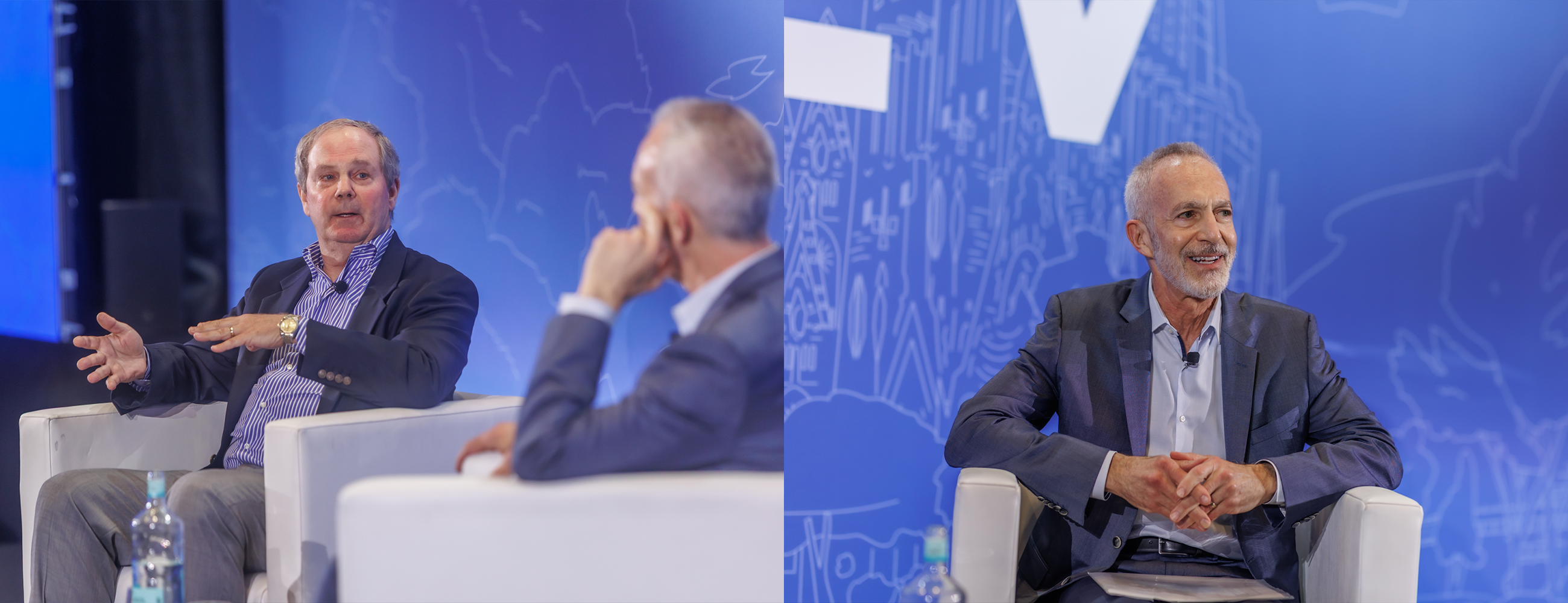
In a highly informative fireside interview conducted by David Hodes, Founder and Co-managing Partner of Hodes Weill & Associates, industry titan, Rick Magnuson, Founder of GI Partners, traced the evolution of the data centre sector from its origins at the dawn of the commercial internet in 2000 to the present day. He also peeked over the horizon for a brief look at where the sector might go in the future.
Rick identified the defining shift of the current moment in data centres as the transition from CPU to GPU computing, driven largely by the massive chip maker, Nvidia. This, he said, has transformed power requirements from around 20 kilowatts per rack to over 100 kilowatts, heading toward 600, demanding entirely new cooling technologies and fundamentally altering what a data centre is and what it costs to build.
He told delegates that his core investment philosophy has remained consistent throughout. Data centres, he said, should ‘act like old-school real estate – multiple tenants, no risk concentration on any one occupier’. He advised against being ‘reliant on just one Amazon or Microsoft’.
He told the audience that the critical variables are power quantum, transmission infrastructure and proximity to population centres. The greatest barrier to entry is not capital, he said, but power. Generation, transmission lines and grid access are harder to secure than buildings themselves.
Commenting on the operational complexity inherent in data centres, Rick distinguished clearly between shell, power shell and fully managed models. He warned that most real estate investors should avoid full operational responsibility because service level agreements imposed by tenants, such as the big hyperscalers, could be onerous.
He demonstrated a pragmatic approach in relation to the issue of obsolescence. Cooling technology can be upgraded, he said, while fibre infrastructure is largely fixed, and once a building becomes a data centre, it is effectively a one-way bet. ‘Once a data centre, always a data centre’, he said. ‘The power you've brought into that building makes conversion prohibitive. So, you'd better be certain it's in the right location with the right tenant profile.’
In his final remarks on the future location of data centres, Rick was clear that finding these close to reliable high-power sources is critical. He cited the obvious benefit of places such as former aluminium smelting plants. And as to whether there could ever be a case for data centres anywhere other than on earth, Rick offered a sardonic perspective rooted in the current zeitgeist for extra-terrestrial exploration: ‘If Elon wants to throw up a data centre in space,’ he quipped, ‘God bless him.’
Audience poll:
What is your current exposure to data centre investments?
No exposure, but actively exploring - 9 %
No exposure, not currently considering - 46 %
Indirect exposure (e.g., via REITs or funds) - 28 %
Direct ownership or development of data centres - 12 %
Multiple direct and indirect investments across markets - 5 %
What is the biggest barrier preventing you from investing in data centres?
Lack of domain expertise - 14 %
High capital requirements - 13 %
Concern about eventual liquidity / realisations - 20 %
Uncertainty around demand, changing technology and future growth prospects - 38 %
Regulatory, power, or infrastructure constraints - 16%
Keynote closing (Jimmy Nelson)
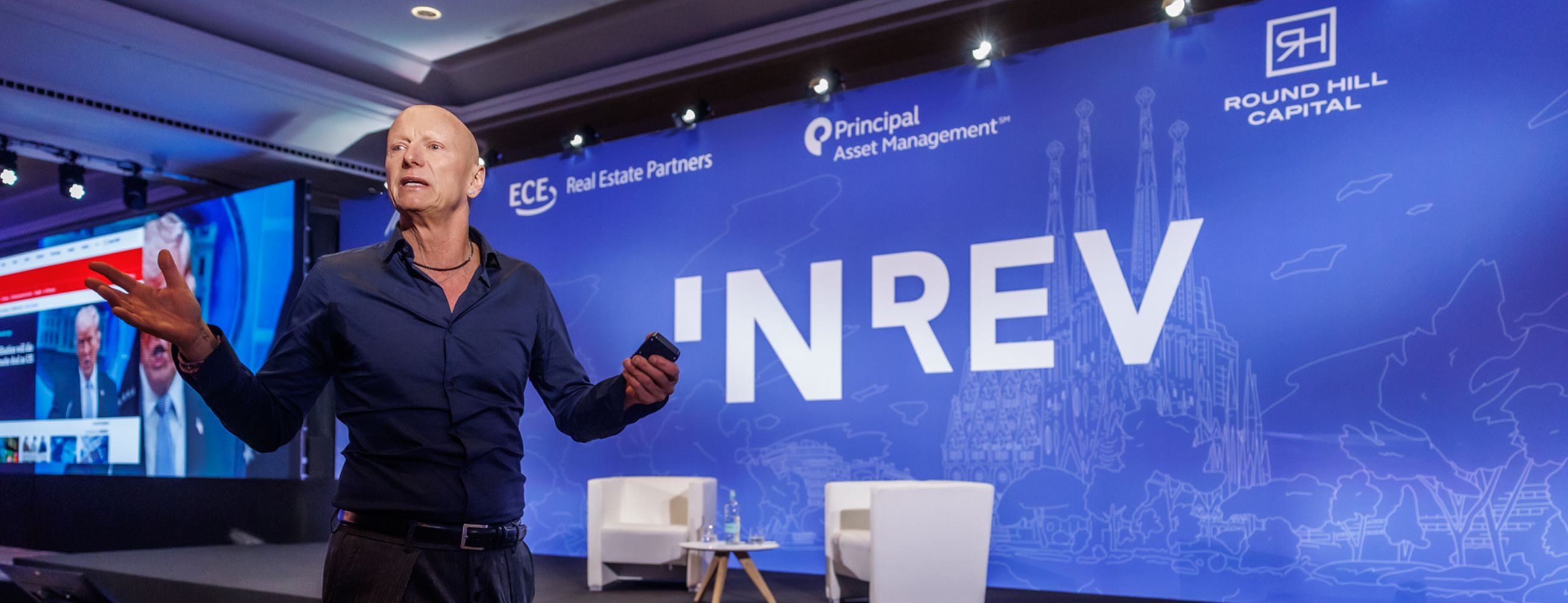
Jimmy Nelson, world-renowned photographer and artist, took delegates on an exhilarating journey highlighting the ups and downs of his well-travelled life and the experiences that define the man and his work.
His dramatic and energetic presentation painted a vivid picture of the efforts and rewards of a life dedicated to communicating with and capturing the stories of remote communities around the world through photography and video.
He told delegates how photography was the vehicle through which he was able to re-engage with the world having endured difficult personal experiences at school. Charting his travels through a range of fascinating places, such as Tibet, Afghanistan, and Papua New Guinea, Jimmy shared the key insight he’d learned: that to gain genuine access to a community, one must be prepared to submit.
Bringing the conference to a close, he left delegates with a profound proposition that the only project that ultimately matters is to examine how we see and treat one another.
Photo gallery
Please note that this is a selection of photos from the event, the full batch is available for download until 10 June 2026 below.
Save the date for 2027
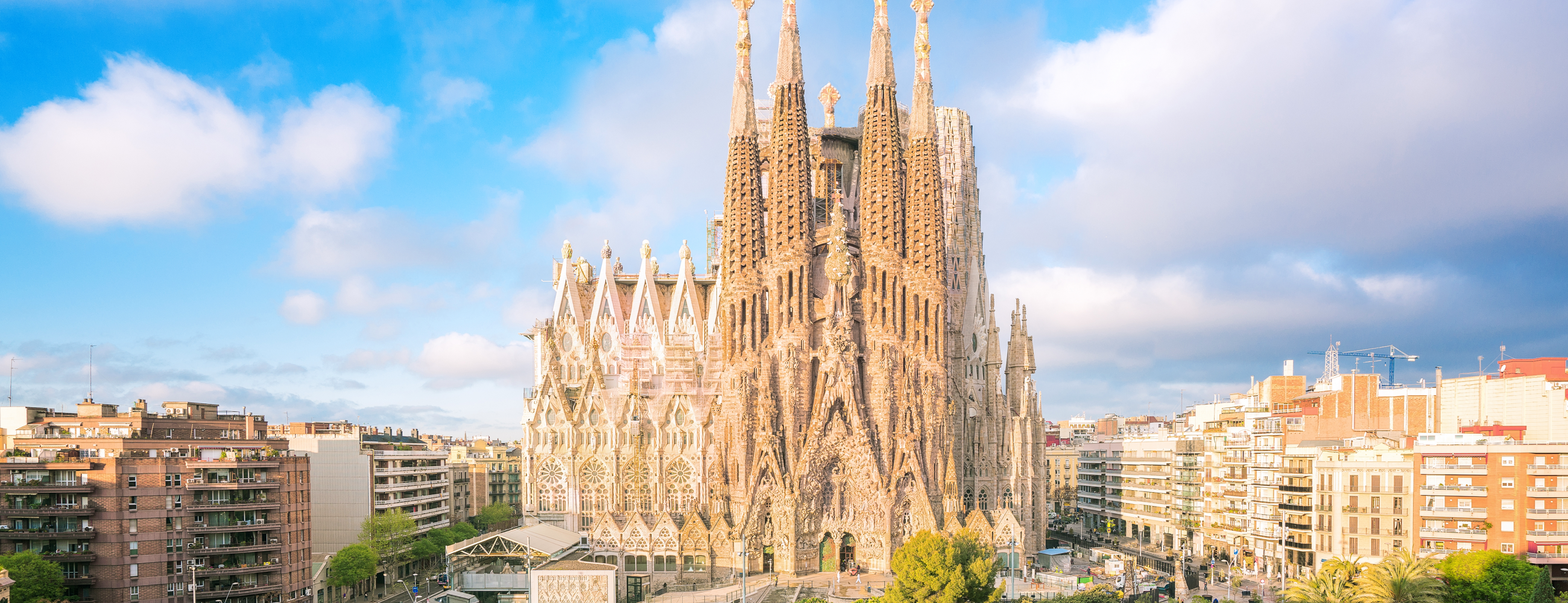
INREV Annual Conference 2027 | Barcelona | 12 - 14 April 2027
Mark your agenda for next year’s flagship event, which will take place between 12 - 14 April 2027 in Barcelona.
In the meantime, take a look at the INREV Event Calendar for other events that you might like to attend.
Thank you to our sponsors